


posted 7th October 2026
When you invest in an outdoor ice bath or hot tub, you want something rugged, reliable, and built to withstand the elements. That’s why Tub Tanks are made from galvanized steel.
So what does long-lasting look like in reality? Here is what you can expect as your Tub Tank settles into its outdoor environment and how to keep it looking great while it ages gracefully.
Anything kept outdoors reacts to its environment, and steel is no exception. However, unlike un-coated metals that rust and weaken, galvanized steel undergoes a protective chemical reaction with nature.
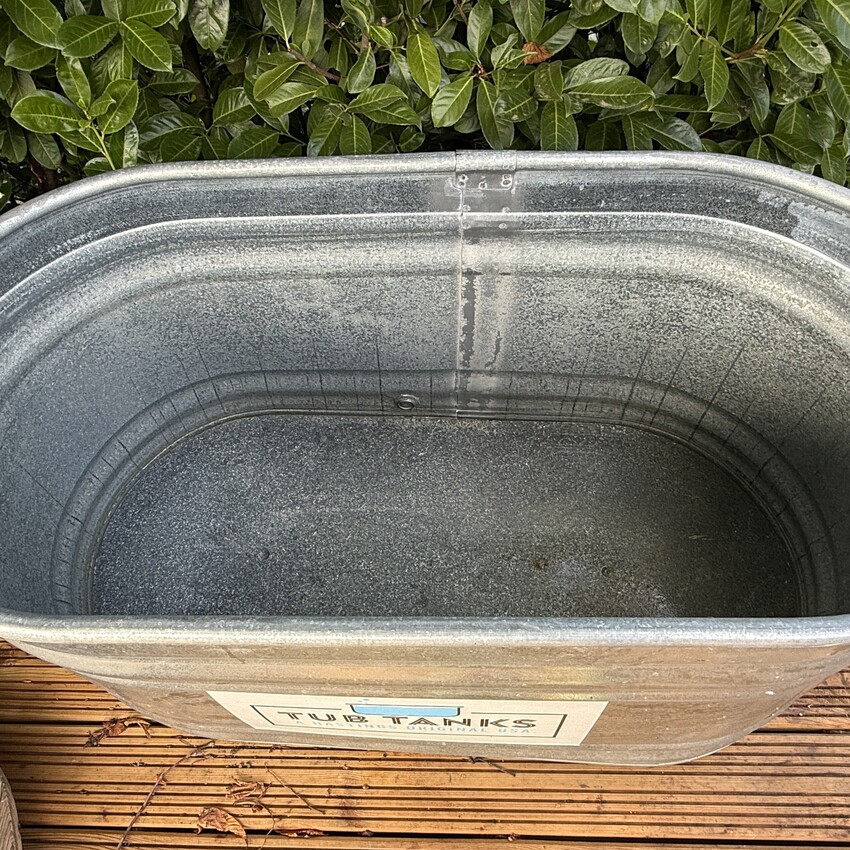
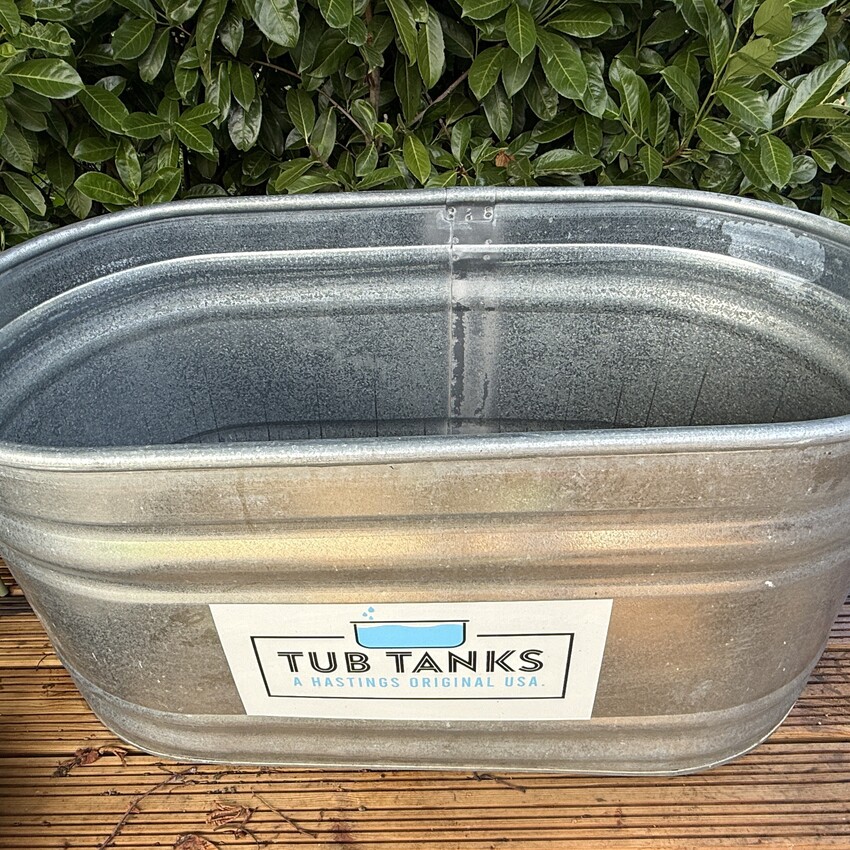
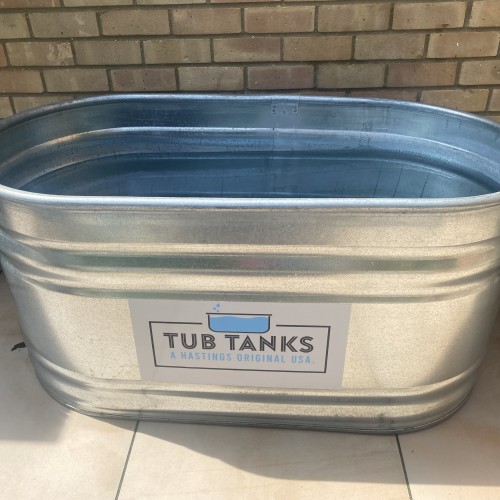
When exposed to air, rain, and changing seasons, the zinc coating on your tank reacts with oxygen, moisture, and carbon dioxide. Over time, this process forms a protective surface layer (zinc carbonate), causing the initial bright, shiny metallic finish to settle into a handsome, muted matte grey patina.
This patina isn't a flaw, it’s an active layer that enhances the steel’s long-term corrosion resistance. It also makes the tank low maintenance as you don't need to polish or treat it to maintain its structural integrity.
Steel vs plastic ice bath
When choosing an outdoor tub, many people consider hard plastic or inflatable options. While they won’t ‘weather’ in the same way, there are some things to bear in mind.
- Hard plastic surfaces naturally attract organic film and algal slime, especially in damp, rainy UK weather. Galvanized steel's natural mineral surface is inherently host-unfriendly to organic build-up, staying cleaner and feeling fresher to the touch.
- Plastic tubs degrade under UV light over time, eventually becoming brittle, cracking or puncturing and ending up in a landfill where they remain for hundreds of years. Steel is a true natural material that can be fully recycled at the end of its life cycle or repurposed as a garden feature (they make great wildlife ponds and planters).
- Sitting in a Tub Tank means immersing yourself in pure water against raw, natural metal as opposed to soaking inside a synthetic chemical composite that degrades under sunlight.
Zinc and Chlorine: Caring for your Tub Tanks ice bath or hot tub
Galvanized steel won't rust under standard outdoor conditions when cared for properly. If using chlorine tablets, always use them inside a floating chemical dispenser for slow, controlled release.
A concentrated chemical tablet resting directly on the metal floor creates a localized zone of high oxidation, which can strip the protective zinc coating and cause pitting or surface corrosion.
By using a dispenser, your water stays hygienic and your tank’s protective zinc layer remains completely intact.
Ultimately, an outdoor ice bath or hot tub shouldn't be something you have maintain heavily replace regularly. By embracing the natural aging process of galvanized steel and taking a few simple steps you get an ice bath and/or hot tub that doesn't just withstand the elements, but actually gets tougher over time. A Tub Tank offers an authentic, raw-element soaking experience that plastic simply can't match: built for real weather, designed to age with character, and crafted to deliver years of worry-free contrast therapy right in your back garden.
Explore the Tub Tank range today and find the perfect tank for your outdoor space: https://www.tubtanks.co.uk/products
Pictured below: A 5 year old Tub Tanks ice bath which has lived outside 365 days a year and the water is treated with Epsom salts